
Introduction to big data
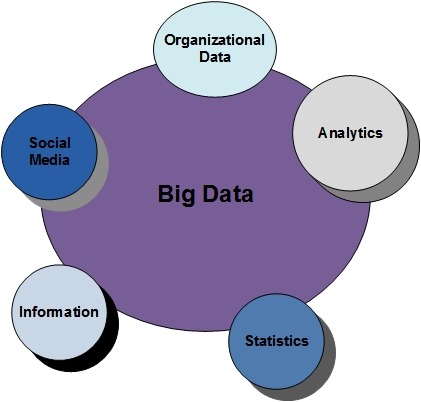
Big data refers to large, complex datasets that cannot be effectively processed using traditional data processing techniques. These datasets are typically characterized by their volume, velocity, variety, and variability. Big data is generated from a wide range of sources, including social media, sensor networks, and scientific experiments.
The growth of big data has been driven by advances in technology, including the increasing availability of high-speed internet, cloud computing, and storage solutions. With the rise of big data, organizations across a wide range of industries are using data-driven approaches to improve decision-making, optimize operations, and gain a competitive advantage.
To effectively process and analyze big data, new technologies and techniques have been developed, such as Hadoop, Spark, and No SQL databases. These tools allow organizations to store and process large datasets, perform advanced analytics, and extract insights that can be used to inform business decisions.
However, working with big data also poses several challenges, including data quality, privacy, and security concerns, as well as the need for specialized skills and expertise. As such, managing and analyzing big data requires a combination of technical expertise, domain knowledge, and creative problem-solving skills.
Despite these challenges, the potential benefits of big data are vast, and the field of big data analytics is rapidly evolving. As organizations continue to generate and collect more data, the ability to extract insights from big data will become increasingly important in driving innovation, growth, and competitive advantage.